
Missed replies in the comments section aren't necessarily due to a lack of manpower: many teams are actually doing "interaction management" wrong.
Many teams, upon seeing frequent missed replies in the comments section, instinctively conclude that they are understaffed. They then start urging overtime, recruiting part-time workers, arranging shifts, and even simplistically interpreting the problem as "someone not monitoring the situation diligently enough." However, if you observe carefully for a while, you'll find that many missed replies don't occur during extreme peak periods, but rather during times when things aren't particularly busy.
This shows that the problem is not just about manpower, but that the interaction management itself is flawed.
Missed replies in the comment section are often not because no one saw them, but because even if they were seen, people didn't know how to handle them: Is this a customer service issue or an operational interaction? Should we escalate it? Has anyone already replied? If the user continues to ask follow-up questions, who will respond? Once these questions are left unanswered, no matter how many people are involved, they'll just be spinning their wheels in confusion.
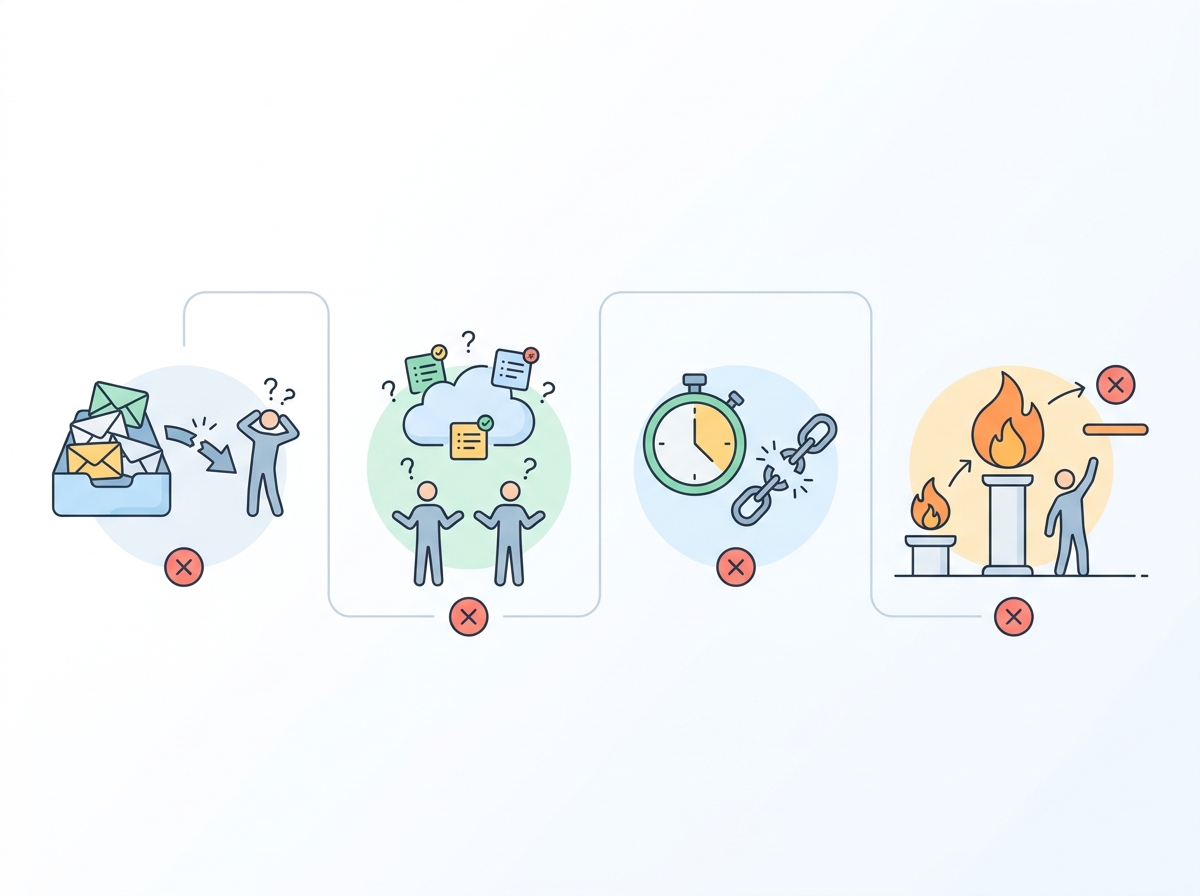
The first common mistake: Treating all interactions as simply "it's enough if someone replies."
This is the most common and also the most insidious mistake. Many brands still understand the comment section as simply "keeping the conversation going," as if as long as someone shows up and replies, the task is accomplished. But in reality, comments and private messages play a role far beyond "creating a lively atmosphere."
Some comments inquire about purchase conditions, some express dissatisfaction, some are seeking help publicly, and some are testing the brand's attitude. The underlying business implications are entirely different. If you treat them all as "casual replies," the result is usually a lose-lose situation: neither truly solving the problem nor turning valuable interaction into follow-up action.
Therefore, the first step in interaction management is not to reply more often, but to distinguish the types of interactions. At the very least, you need to differentiate between: general interactions, product inquiries, after-sales issues, risk comments, and potential leads. Only after this distinction is made can the subsequent prioritization of responses and assignment of responsibility become meaningful.
The second common mistake: Comments are being viewed, but status updates are being ignored.
Many teams have a misconception: as long as someone is monitoring the platform's backend, missed responses won't happen. The reality is quite the opposite. Because "seeing" doesn't equal "being handled," much less "following up afterward."
Here's a common scenario: The operations team first reassures the customer service representative in the comments section with a message saying "I sent you a private message," but the customer service representative is unaware of this. The customer service representative then requests the order number in the private message, but the user doesn't reply. Two days later, the user returns to the original comments section to ask "Why hasn't this been resolved yet?" At this point, the operations team assumes that the customer service representative is following up, and the customer service representative assumes that the matter is over, so the public comment remains unresolved.
These missed responses aren't due to a lack of attention, but rather a deficiency in status management. Once an interaction crosses comments, private messages, and the after-sales system, it's crucial to be able to see its current stage: pending reply, awaiting materials, in progress, resolved, or requiring escalation. Without status updates, the team will only be constantly repeating "who answered this?"
This is why many teams, even when extremely busy, still leave users feeling neglected. From the user's perspective, the issue isn't whether you're taking any action, but whether your actions are continuous.
The third common mistake: interpreting SLAs merely as "how often to respond".
Many brands set response time targets for their teams, such as replying to comments within 30 minutes or private messages within 2 hours. This metric is certainly necessary, but if interaction management focuses solely on response time, execution can easily go astray.
In the rush to meet deadlines, teams might choose to give a vague response and stop the timer without actually addressing the issue. As a result, the reports may look impressive, but the user experience deteriorates.
A more reasonable approach is to break down the SLA into two levels: initial response time and issue progression time. The former addresses "whether anyone is taking the ball," while the latter addresses "whether things are moving forward." If only the first level is considered, the comment section will increasingly resemble a standardized appeasement machine.
You can start by doing a basic check using SocialEcho Free Tools to see if the team is currently only focused on the "first call" and neglecting follow-up progress. Many missed calls start accumulating from here.
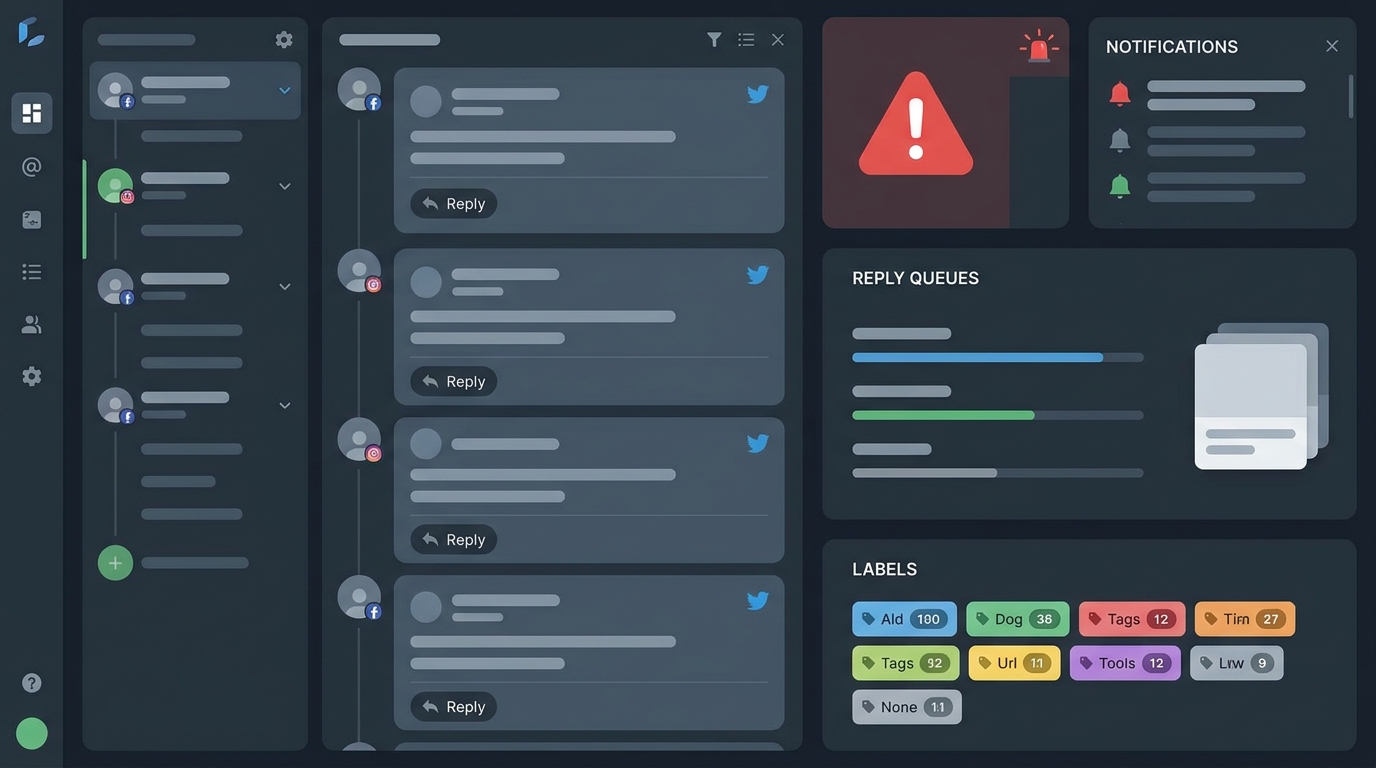
The fourth common mistake: Interaction data was not used for analysis.
Many teams spend their days replying to comments and private messages, then at the end of the month rely on impressions to summarize things like "users are quite concerned about prices lately" and "there seem to be more complaints about logistics." The problem is, impressions can hardly guide real optimization.
Without post-mortem analysis, interaction management will forever remain a matter of firefighting. Which issues recur most frequently? Which platforms are most prone to public displays of emotion? Which comments, despite being responded to, still escalate into complaints? Which response methods are more likely to turn public issues into private solutions? These all require data support.
This is where the value of Analytics comes in. It's not just about creating beautiful reports; it's about helping you shift from "processing many interactions daily" to "knowing which interactions are most worth optimizing." Front-end handling is better suited for Engagement ; the combination of both ensures that interaction management isn't a isolated process.
Interactions across different platforms should not be handled using the same crude methods.
Another common misconception is assuming all interactions across platforms are the same. In reality, the user intent and public risks behind Facebook comment sections, Instagram community interactions, private messaging, and ad comments are not the same.
Some platforms' comments are more geared towards public discourse, requiring rapid risk identification; others are more community-oriented, necessitating a nurturing atmosphere; and still others essentially drive traffic to private messages. If you apply the same template and pace to all platforms, the results will inevitably be diminished.
Therefore, interaction management is both a process issue and a platform issue. Pages like Facebook Comment Management and Instagram Comment Management are more suitable for helping teams understand and respond to differences based on platform scenarios, rather than requiring all channels to follow the exact same script.
FAQ
1. Why are I always missing replies in the comments section? What should I check first?
First, check if there's a missing category and status. Many missed responses aren't because no one saw them, but because no one knows what type the interaction currently belongs to or who should follow up.
2. Are interaction management and customer service management the same thing?
Not entirely. Customer service is one part, but interaction management also includes handling comments, identifying public risks, maintaining a positive community atmosphere, discovering leads, and cross-team collaboration.
3. Why are users still dissatisfied even though the response time is fast?
Because speed does not equal consistency. Many teams make initial announcements quickly, but fail to follow up, requiring users to repeatedly explain things, naturally resulting in a poor user experience.
4. Do small teams need to formally implement interaction management?
It is necessary, and the smaller the group, the more necessary it is. Because when there are fewer people, the risk of unclear responsibilities is greater. Without categorization, status, and priority, missed responses will be more frequent.
CTA
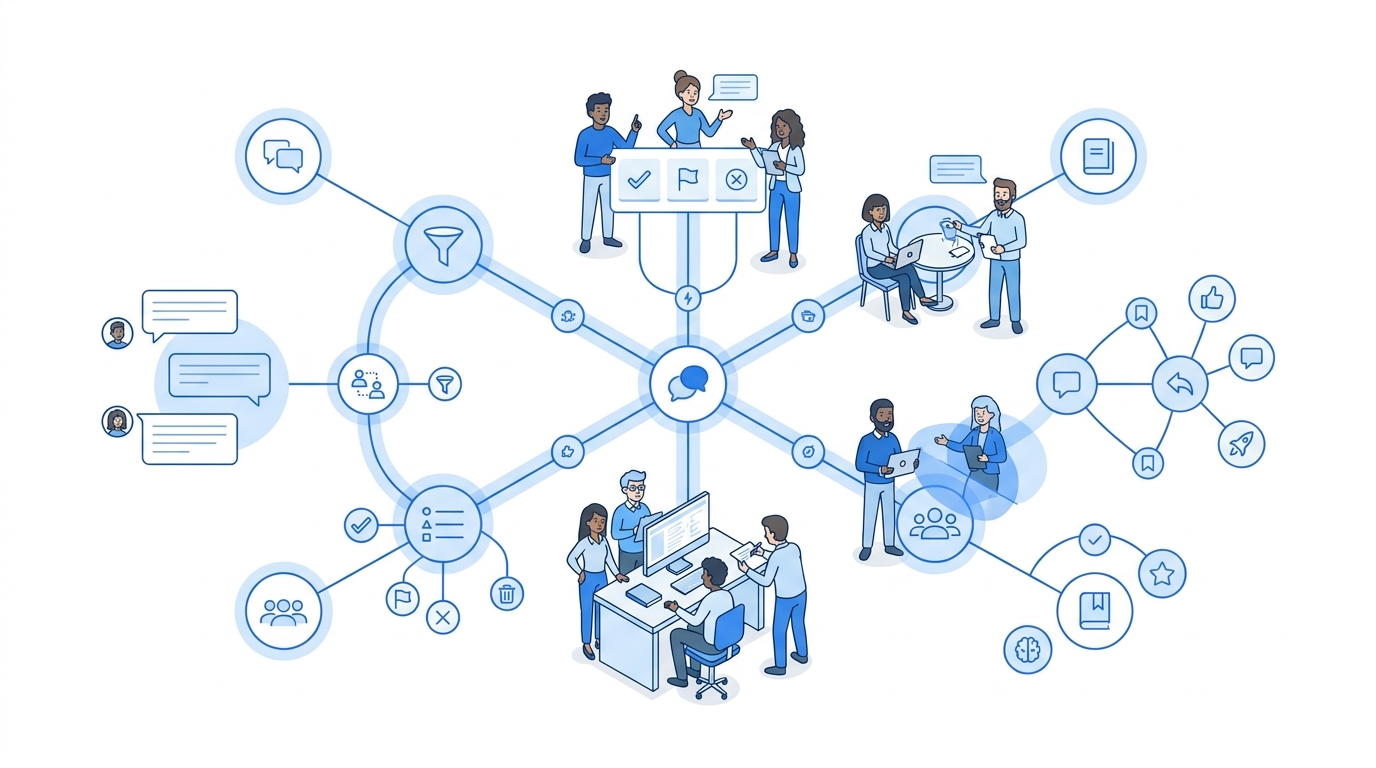
If your current comment section is experiencing issues like "many replies, but still frequent missed replies" and "the team is always busy, but users feel ignored," don't rush to add more staff. First, establish interaction categories, statuses, SLAs, and a review mechanism before assessing whether you truly lack manpower. You can start by conducting a self-check using SocialEcho Free Tools , and then continue learning about Engagement , Analytics , and platform capabilities like Facebook Comment Management . When interactions shift from "replying as soon as you see it" to "someone responding, someone following up, and someone reviewing," missed replies will significantly decrease.
;}.cls-2{fill:%230868f7;}.cls-3{fill:url(%23未命名的渐变_44);}.cls-4{fill:%23333;}%3c/style%3e%3clinearGradient%20id='未命名的渐变_8'%20x1='33.73'%20y1='100.61'%20x2='-0.03'%20y2='-1.06'%20gradientUnits='userSpaceOnUse'%3e%3cstop%20offset='0'%20stop-color='%237ae9fb'/%3e%3cstop%20offset='0.67'%20stop-color='%232b90f8'/%3e%3cstop%20offset='1'%20stop-color='%230868f7'/%3e%3c/linearGradient%3e%3clinearGradient%20id='未命名的渐变_44'%20x1='27.86'%20y1='18.67'%20x2='68.36'%20y2='22.22'%20gradientUnits='userSpaceOnUse'%3e%3cstop%20offset='0'%20stop-color='%235ac7f2'/%3e%3cstop%20offset='1'%20stop-color='%230868f7'/%3e%3c/linearGradient%3e%3c/defs%3e%3cpath%20class='cls-1'%20d='M29,28.74V81.91l-9.51-3.68v0L8.52,74A7.17,7.17,0,0,1,4,67.32V24.54A3.76,3.76,0,0,1,9.08,21Z'/%3e%3cpath%20class='cls-2'%20d='M68.09,78.07a13.15,13.15,0,0,1-17.9,12.06L29,81.91h0V28.74L50.19,37A13.17,13.17,0,0,0,68.08,25.3h0Z'/%3e%3cpath%20class='cls-3'%20d='M68.08,25.3a13.19,13.19,0,0,1-6.73,10.87A13.09,13.09,0,0,1,50.19,37L29,28.74V6A3.76,3.76,0,0,1,34.1,2.52l25.59,9.91A13.22,13.22,0,0,1,68.08,25.3Z'/%3e%3cpath%20class='cls-4'%20d='M129.06,81.76a4.33,4.33,0,0,1-3.19-1.31,4.4,4.4,0,0,1-1.31-3.24V56.86H97.65V77.21a4.36,4.36,0,0,1-1.35,3.2A4.68,4.68,0,0,1,93,81.76a4.32,4.32,0,0,1-3.19-1.31,4.37,4.37,0,0,1-1.32-3.24V27.27A4.58,4.58,0,0,1,89.83,24a4.59,4.59,0,0,1,7.82,3.27V48.15h26.91V27.27A4.58,4.58,0,0,1,125.91,24a4.59,4.59,0,0,1,7.82,3.27V77.21a4.37,4.37,0,0,1-1.36,3.2A4.65,4.65,0,0,1,129.06,81.76Z'/%3e%3cpath%20class='cls-4'%20d='M163.77,81.66c-6.57,0-11.76-1.92-15.44-5.7s-5.54-9.07-5.54-15.74a26.76,26.76,0,0,1,2.09-10.43,17.72,17.72,0,0,1,6.67-8.06,19.15,19.15,0,0,1,10.68-2.95,19,19,0,0,1,10.46,2.8,18.7,18.7,0,0,1,6.55,7.36,22.53,22.53,0,0,1,2.36,10.28A4.51,4.51,0,0,1,177,63.77H152.23a10.8,10.8,0,0,0,3.49,6.65c2,1.68,4.88,2.52,8.66,2.52a22.25,22.25,0,0,0,7.54-1.21c.74-.3,1.55-.67,2.37-1.07a3.75,3.75,0,0,1,1.84-.4,4.09,4.09,0,0,1,3,1.15,4,4,0,0,1,1.12,3,4.38,4.38,0,0,1-2.58,3.82,32.34,32.34,0,0,1-6.36,2.61A28.67,28.67,0,0,1,163.77,81.66ZM172.4,55.9a9.72,9.72,0,0,0-1.63-4.56A9.9,9.9,0,0,0,167,48a10.38,10.38,0,0,0-4.64-1.14,12,12,0,0,0-4.77,1.06,9.54,9.54,0,0,0-4.89,5.66,11.78,11.78,0,0,0-.51,2.3Z'/%3e%3cpath%20class='cls-4'%20d='M193,81.64a4.49,4.49,0,0,1-4.51-4.55V27.28A4.58,4.58,0,0,1,189.84,24a4.48,4.48,0,0,1,3.28-1.36A4.36,4.36,0,0,1,196.35,24a4.46,4.46,0,0,1,1.31,3.31V77.09a4.34,4.34,0,0,1-1.35,3.2A4.67,4.67,0,0,1,193,81.64Z'/%3e%3cpath%20class='cls-4'%20d='M263.79,81.71a5.7,5.7,0,0,1-4.2-1.74,5.76,5.76,0,0,1-1.73-4.19V27.37a4.58,4.58,0,0,1,1.35-3.27A4.59,4.59,0,0,1,267,27.37V72.53h24a4.58,4.58,0,0,1,3.27,7.82A4.66,4.66,0,0,1,291,81.71Z'/%3e%3cpath%20class='cls-4'%20d='M424.48,81.74a4.71,4.71,0,0,1-2.71-.88,5.43,5.43,0,0,1-1-1l-.07-.09-12.41-17-5.41,5v9.44a4.31,4.31,0,0,1-1.36,3.19,4.66,4.66,0,0,1-3.3,1.36A4.29,4.29,0,0,1,395,80.42a4.36,4.36,0,0,1-1.32-3.23V27.37A4.58,4.58,0,0,1,395,24.1a4.52,4.52,0,0,1,6.58.12,4.54,4.54,0,0,1,1.24,3.15V56.31l17.72-16.38.05,0a4.8,4.8,0,0,1,2.94-1.11,4.4,4.4,0,0,1,3.27,1.2,4.57,4.57,0,0,1,1.2,3.27,4.44,4.44,0,0,1-.77,2.33,7.45,7.45,0,0,1-1.43,1.65l-11,9.64,13.34,17.68a5,5,0,0,1,1,2.71,4.12,4.12,0,0,1-1.36,3.24A4.64,4.64,0,0,1,424.48,81.74Z'/%3e%3cpath%20class='cls-4'%20d='M317.93,81.76a21.5,21.5,0,1,1,21.17-21.5A21.37,21.37,0,0,1,317.93,81.76Zm0-34.1a12.61,12.61,0,1,0,12.42,12.6A12.52,12.52,0,0,0,317.93,47.66Z'/%3e%3cpath%20class='cls-4'%20d='M212.18,101.22a4.12,4.12,0,0,1-3.05-1.26,4.17,4.17,0,0,1-1.26-3.1V43.34a4.37,4.37,0,0,1,1.3-3.14,4.26,4.26,0,0,1,3.13-1.3,4.19,4.19,0,0,1,3.1,1.26,4.32,4.32,0,0,1,1.26,3.16,20.77,20.77,0,0,1,13-4.54,21.51,21.51,0,0,1,0,43,20.51,20.51,0,0,1-13-4.57V96.86a4.15,4.15,0,0,1-1.3,3.06A4.5,4.5,0,0,1,212.18,101.22Zm17.43-53.63c-6.23,0-12.93,4.11-12.93,12.72a12.73,12.73,0,0,0,25.46,0A12.71,12.71,0,0,0,229.61,47.59Z'/%3e%3cpath%20class='cls-4'%20d='M365.76,81.76a21.5,21.5,0,1,1,21.18-21.5A21.37,21.37,0,0,1,365.76,81.76Zm0-34.1a12.61,12.61,0,1,0,12.42,12.6A12.52,12.52,0,0,0,365.76,47.66Z'/%3e%3c/svg%3e)