
40% of young people are starting to search on TikTok. What should brands do?
TikTok is eating into Google's search share.
A real change
Last year, a Google executive made a surprising statement at a tech conference: "40% of young people choose TikTok over Google when searching on their phones."
This is not a rumor. It's a fact that Google itself has acknowledged.
Think about what this means. Before, if you wanted to know "how to make braised pork," you'd open Google and search. Now, more and more young people are directly opening TikTok and typing the same question into the search box.
They want more than just written answers. They want to see live demonstrations, hear audio explanations, and see feedback from other people in the comments section.
This change presents both challenges and opportunities for those involved in social media operations.
Data doesn't lie.
Let's look at some specific numbers:
Searches for TikTok are exploding:
- There are now more than 1.5 billion searches happening on TikTok every day.
- Compared to last year, the number of users using the search function has increased by 112%.
Young people are really using TikTok to search:
- Nearly half of those aged 18-24 admitted to frequently using TikTok to find information.
- They're not just searching for entertainment content; they're also searching for tutorials, reviews, travel advice, and even medical information.
Advertisers have already taken action:
- TikTok search ads have a 47% higher click-through rate than in-feed ads.
- The conversion rate is more than twice as high.
These figures tell us one thing: TikTok searches are not a trend, but a reality that has already occurred.
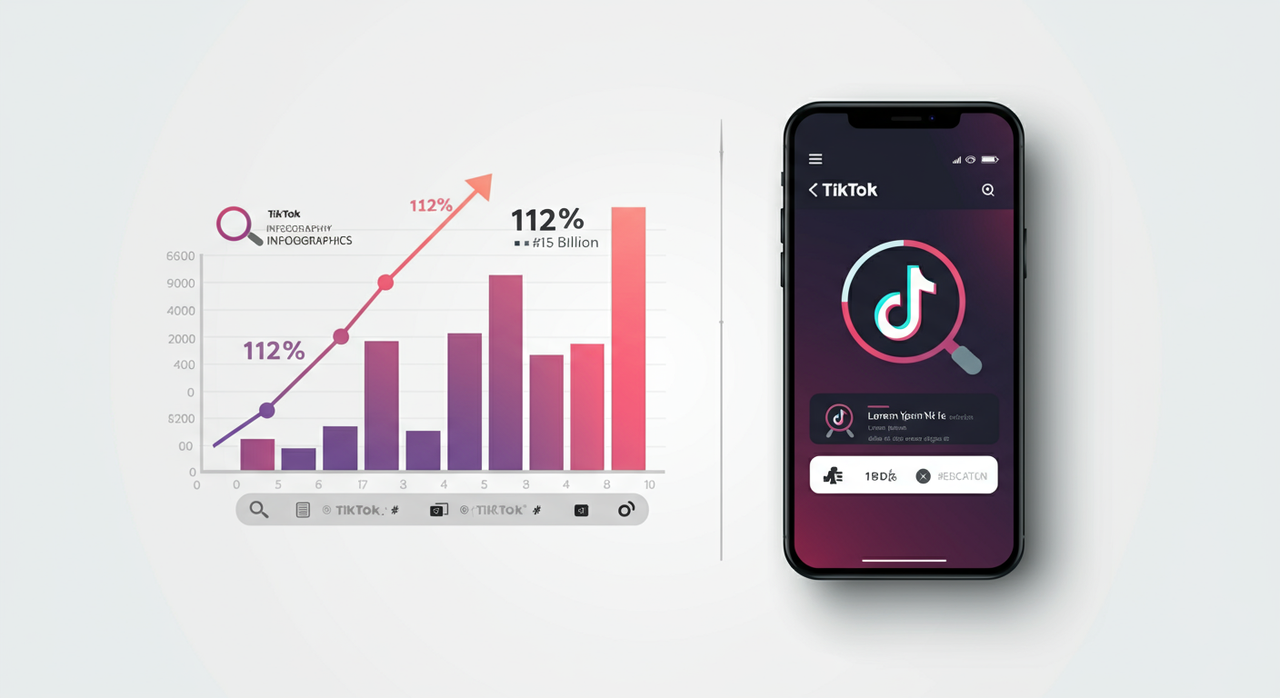 Figure 1: TikTok Search Growth Data 2025
If you're doing overseas social media operations, is your brand searchable?
SocialEcho's TikTok analytics tools can help you understand how your brand is performing on TikTok.
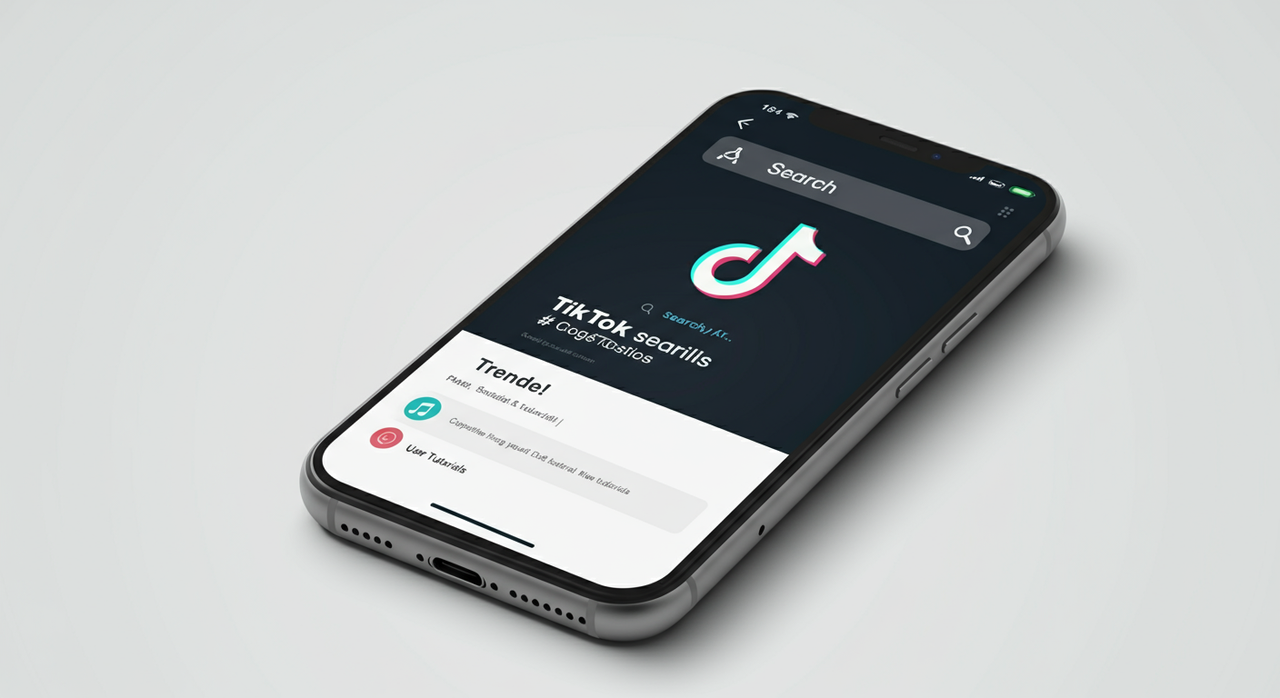 Figure 2: TikTok search interface display
Why do young people prefer TikTok search?
To understand this phenomenon, it is necessary to understand the mindset of Generation Z (those born between 1997 and 2012).
What they want is an "experience," not just an "answer."
Imagine this scenario:
A 20-year-old college student wanted to know "what are some fun places to visit in Tokyo".
If she uses Google, she'll get a bunch of web links, then articles from TripAdvisor and Lonely Planet, and maybe some travel blogs. She'll need to click through, read the text, look at the still pictures, and then imagine what the place is like.
But if she searches on TikTok, she will see:
- A travel blogger dances at the Shibuya Crossing, with a backdrop of bustling crowds and neon lights.
- A food connoisseur is eating a steaming bowl of ramen, accompanied by an exaggerated expression of satisfaction.
- Someone used time-lapse photography to show the process of nightfall at the foot of Tokyo Tower.
She didn't just receive information; she "felt" Tokyo.
That's the difference. Gen Z doesn't want to read travel guides about Tokyo; they want to "experience" Tokyo—even if it's just through a 15-second video.
Video is the information format that the brain prefers.
Studies show that the human brain processes visual information 60,000 times faster than text. This is not a metaphor, but a biological fact.
Generation Z grew up with YouTube, Instagram, and Snapchat. Their brains are accustomed to learning, entertainment, and socializing through videos. For them, watching videos is the default setting, while reading text requires extra effort.
When a Gen Z user wants to learn "how to apply eyeliner," she can choose:
- Read a text tutorial ("Starting from the inner corner of the eye, draw a thin line along the base of the eyelashes...").
- Watch a video tutorial (a beauty blogger explains and demonstrates at the same time).
Almost everyone would choose video. Because video not only tells her "what to do," but also shows her "how to do it."
Trust comes from "real people," not brands.
Gen Z's trust in brands is at an all-time low. They trust "people like me"—ordinary users, niche creators, or even strangers—more than official brand accounts.
TikTok's comment section is a perfect example of this phenomenon.
When you search for product reviews on TikTok, you will see:
- Subjective comments from video creators
- Hundreds of user comments
- Some agreed, some disagreed, and some added details.
- Genuine praise, and genuine criticism.
This "collective wisdom" is more convincing than any single source.
In contrast, brand websites, press releases, and paid promotional content in Google search results are often seen as "untrustworthy" by Generation Z.
On TikTok, everyone is both a creator and a verifier of information. This decentralized trust mechanism is exactly what Generation Z is looking for.
 Figure 3: Gen Z is using TikTok to search.
How to get found on TikTok: A Practical Guide
Having understood Gen Z's search habits, the next step is to make your brand or content findable in TikTok searches.
The good news is that TikTok SEO is much simpler than traditional Google SEO. You don't need to know coding, you don't need to build backlinks, and you don't need to wait months to see results.
The core of TikTok SEO is understanding what users search for and then creating content they want.
Step 1: Find your keywords
To do SEO on TikTok, the first thing you need to understand is what keywords users are searching for.
The simplest way: Use TikTok's search suggestions feature.
Open TikTok, tap the search box, and enter keywords related to your industry. For example, if you sell skincare products, enter "skincare".
You will see a series of suggestions automatically pop up on TikTok:
- skincare routine
- skincare tips
- skincare for oily skin
- skincare products
- skincare mistakes
These are the words users are actually searching for. Write them down.
Another method is to see what tags competitors are using.
Find 5-10 popular accounts in your field and see what tags their most popular videos use. These tags are often high-search-volume keywords.
Also, don't overlook long-tail keywords.
Broad keywords (such as "skincare") are highly competitive and difficult to rank for. However, specific long-tail keywords (such as "skincare routine for sensitive skin") have less competition and higher conversion rates.
Someone searching for "skincare" might just be browsing casually, but someone searching for "best vitamin C serum for dark spots" is likely already planning to buy it.
Step 2: Optimize your account
Once you've found the keywords, the next step is to ensure that your account itself is "understood" by TikTok.
Username: If possible, include your core keywords. For example, if you're in the fitness industry, your username could be @fitnesswithsarah, not @sarah123.
Bio: This is the most important section on TikTok to tell you who you are and what content you post. Clearly describe your account's value within 160 characters, naturally incorporating your core keywords.
Good Bio examples:
 🚀 海外社媒运营干货
TikTok SEO技巧 | 增长策略
分享实战案例,助你打造爆款内容 ⬇️
Homepage link: If you have an official website, product page, or other social media accounts, put it here. This is not only a traffic entry point, but also helps TikTok understand your account's characteristics.
Account verification: If possible, apply for business account verification. This will not only grant you access to more data analytics features but also enhance the credibility of your account.
Step 3: Create content optimized for search.
This is the most important step in TikTok SEO. Every video you create should revolve around a specific keyword or user question.
The core formula for content creation: answer a specific question.
Don't make videos like "Welcome to my channel," which have no search value. Make videos like "How to clear iPhone cache in 30 seconds," which people are actually searching for the answer to.
Optimize various elements of the video:
Title (Caption): The first 5 words are crucial. Put the most important keywords at the beginning. For example, don't say "Hi everyone, today I want to share...", but rather say "3 TikTok SEO tips to make your videos searchable...".
Description: Naturally incorporate long-tail keywords into the description. Avoid keyword stuffing; write like you're speaking normally.
Hashtags: Use 3-5 relevant hashtags, mixing popular hashtags (to gain more exposure) and precise hashtags (to reach the target audience).
Subtitles: Be sure to enable automatic subtitles and check their accuracy. TikTok's algorithm "reads" your subtitles, which is an important ranking factor.
Audio: Naturally mention keywords in your spoken content. For example, if you say "TikTok SEO," you should say the term in the video, not just in the title.
Visual elements: The first frame must be captivating. Many people, while scrolling through videos, see your video for the first time and decide within three seconds whether to stop. If the first frame is blurry or boring, users will swipe away immediately, rendering even the best video useless.
Step 4: Release Time and Continuous Updates
Posting time: See when your followers are most active through your TikTok Analytics and post during their most active periods.
Generally speaking, weekday mornings (commuting time), lunchtime, and evenings (relaxation time after get off work) are peak traffic times.
Update frequency: TikTok's algorithm favors active creators. Try to post at least one video per day; if that's not possible, aim for at least 3-5 per week.
If your account is not updated for a long time, the algorithm will consider you an "inactive account," and even if you occasionally post videos, your exposure will be affected.
Continuous optimization: TikTok's algorithm is constantly changing, and users' interests are also constantly evolving. Don't expect that one viral video will be a one-time success.
Continuously analyze your data to see which videos are performing well and which are performing poorly, identify patterns, and continuously optimize your content strategy.
Explore SocialEcho's content creation services and create viral TikTok content.
 Figure 4: TikTok Content Creation and SEO Optimization
Frequently Asked Questions
Q1: What are the differences between TikTok SEO and traditional SEO?
Simply put: one is video, and the other is webpage.
Traditional SEO targets search engines like Google, optimizing web pages. You need to focus on the page title, description, keyword density, number of backlinks, and so on.
TikTok SEO focuses on the search functionality of the TikTok video platform. Your focus is on optimizing videos. Key factors include video titles, keywords in descriptions, tags used, subtitles and spoken content, the attractiveness of the first frame, viewer completion rates, and engagement rates.
The most important difference is that TikTok SEO is more effective, but it also changes more quickly.
A well-optimized webpage can rank high on Google for months or even years. But TikTok videos gain popularity quickly but also fade just as fast; you need to continuously create new content to maintain visibility.
Q2: How do I find keywords suitable for TikTok SEO?
The easiest way: just search on TikTok.
Open TikTok, tap the search box, and enter the core keywords for your industry. For example, if you sell skincare products, enter "skincare".
Then see what automatic suggestions TikTok gives you. These suggestions are the words users are actually searching for. Write them down.
Another method is to see what tags competitors use.
Find 5-10 popular accounts in your industry and see what tags their most popular videos use. These tags are often high-search-volume keywords.
Also, don't overlook long-tail keywords.
Competition for broad keywords is fierce, making it difficult to rank high. However, competition for specific long-tail keywords is less intense, resulting in higher conversion rates.
For example, it might be difficult to rank for a broad keyword like "skincare," but it's relatively easier to rank for a long-tail keyword like "best vitamin C serum for dark spots," and people searching for this keyword have a stronger purchase intent.
Q3: How much does the completion rate of TikTok videos affect SEO?
Very large. Probably the biggest factor.
TikTok's algorithm considers completion rate as the strongest signal of content quality. Simply put: if many people watch your video to the end, the algorithm considers the video good and worth recommending to more people.
Completion rate affects two things:
- Search ranking : Videos with higher completion rates rank higher in search results.
- Recommended traffic : Videos with high completion rates are more likely to be included in the "For You" recommendation stream and gain more exposure.
How to improve the completion rate?
- You must grab someone's attention within the first 3 seconds. If the beginning is boring, the user will just swipe away.
- Control the pace. Introduce a new piece of information or visual change every 5-10 seconds to maintain focus.
- Get straight to the point. Avoid lengthy introductions.
- At the end of the video, clearly tell the user what to do next (follow, comment, see the link).
Q4: How to balance SEO optimization and content naturalness?
Core principle: First, make people want to watch it, then let the algorithm find it.
Many creators make the mistake of doing SEO for the sake of SEO, resulting in stiff content that no one wants to read.
The correct approach:
-
First, create valuable content . Answer a real question and solve a real pain point.
-
Then naturally incorporate keywords . Don't force them; speak like you're talking normally.
-
Place keywords in key positions :
- The first 5 characters of the title
- The first 20 words of the description
- It was mentioned naturally in the video's voiceover.
-
Use synonyms and related expressions . Don't repeat the same word; say it in different ways.
For example:
❌ Wrong: "Today I'm going to talk about TikTok SEO. TikTok SEO is important. Learning TikTok SEO can get your videos seen by more people..."
✅ Correct: "Want more people to find your videos? Today I'll share 3 tips to make TikTok's algorithm like you..."
The second version doesn't awkwardly repeat "TikTok SEO," but it conveys the same meaning in a more natural and engaging way.
Q5: How can brands increase their visibility in TikTok search?
Simply put: be seen before being searched.
Brands need a systematic strategy to improve search visibility on TikTok:
1. Dominate your brand keywords
- Make sure your brand name appears in your account name, bio, and all video titles and descriptions.
- Create unique brand tags and use them in every video.
- Encourage users to use your brand tags when creating content.
2. Create content based on product keywords.
- Create a series of content focusing on core product features.
- Naturally mention product features and usage scenarios in the video.
- Create search-oriented content such as product tutorials, comparative reviews, and unboxing videos.
3. Answer users' real questions.
- Monitor the comments section to see what users are asking.
- Create videos directly to answer these questions
- Use questions in the title and description ("How to...", "Why...").
4. Stay active and consistent
- Post at least one video per day to keep your account active.
- Analyze the data regularly to see which content is performing well.
- Continuously optimize your content strategy based on data.
Key takeaway: TikTok's algorithm favors active creators. If you don't update regularly, the algorithm will consider you an "inactive account," and even if you occasionally post videos, their exposure will be affected.
By systematically implementing these strategies, brands can build a strong presence in the TikTok search ecosystem, not only improving search rankings but also establishing deep connections with their target audience.
In conclusion
TikTok is redefining the concept of "search".
For Generation Z, searching is no longer a task, but an exploration. They don't want to be told the answers; they want to see them. They don't trust brands; they trust the real experiences of "people like me."
What does this mean for social media operators?
This means we need to change our mindset. It's no longer just about "posting content," but about "answering searches." Every video should be created around a real question. Every title should consider, "Is anyone searching for this?"
TikTok's search revolution has only just begun. Those who start optimizing now will gain a huge first-mover advantage in the coming years.
Is your brand being searched on TikTok?
Regarding SocialEcho
SocialEcho helps Chinese brands build influence on global social media platforms. We offer a full range of services including data analytics, content strategy, and KOL collaborations.
Want to learn more? Check out our TikTok analytics tool or book a free consultation .
;}.cls-2{fill:%230868f7;}.cls-3{fill:url(%23未命名的渐变_44);}.cls-4{fill:%23333;}%3c/style%3e%3clinearGradient%20id='未命名的渐变_8'%20x1='33.73'%20y1='100.61'%20x2='-0.03'%20y2='-1.06'%20gradientUnits='userSpaceOnUse'%3e%3cstop%20offset='0'%20stop-color='%237ae9fb'/%3e%3cstop%20offset='0.67'%20stop-color='%232b90f8'/%3e%3cstop%20offset='1'%20stop-color='%230868f7'/%3e%3c/linearGradient%3e%3clinearGradient%20id='未命名的渐变_44'%20x1='27.86'%20y1='18.67'%20x2='68.36'%20y2='22.22'%20gradientUnits='userSpaceOnUse'%3e%3cstop%20offset='0'%20stop-color='%235ac7f2'/%3e%3cstop%20offset='1'%20stop-color='%230868f7'/%3e%3c/linearGradient%3e%3c/defs%3e%3cpath%20class='cls-1'%20d='M29,28.74V81.91l-9.51-3.68v0L8.52,74A7.17,7.17,0,0,1,4,67.32V24.54A3.76,3.76,0,0,1,9.08,21Z'/%3e%3cpath%20class='cls-2'%20d='M68.09,78.07a13.15,13.15,0,0,1-17.9,12.06L29,81.91h0V28.74L50.19,37A13.17,13.17,0,0,0,68.08,25.3h0Z'/%3e%3cpath%20class='cls-3'%20d='M68.08,25.3a13.19,13.19,0,0,1-6.73,10.87A13.09,13.09,0,0,1,50.19,37L29,28.74V6A3.76,3.76,0,0,1,34.1,2.52l25.59,9.91A13.22,13.22,0,0,1,68.08,25.3Z'/%3e%3cpath%20class='cls-4'%20d='M129.06,81.76a4.33,4.33,0,0,1-3.19-1.31,4.4,4.4,0,0,1-1.31-3.24V56.86H97.65V77.21a4.36,4.36,0,0,1-1.35,3.2A4.68,4.68,0,0,1,93,81.76a4.32,4.32,0,0,1-3.19-1.31,4.37,4.37,0,0,1-1.32-3.24V27.27A4.58,4.58,0,0,1,89.83,24a4.59,4.59,0,0,1,7.82,3.27V48.15h26.91V27.27A4.58,4.58,0,0,1,125.91,24a4.59,4.59,0,0,1,7.82,3.27V77.21a4.37,4.37,0,0,1-1.36,3.2A4.65,4.65,0,0,1,129.06,81.76Z'/%3e%3cpath%20class='cls-4'%20d='M163.77,81.66c-6.57,0-11.76-1.92-15.44-5.7s-5.54-9.07-5.54-15.74a26.76,26.76,0,0,1,2.09-10.43,17.72,17.72,0,0,1,6.67-8.06,19.15,19.15,0,0,1,10.68-2.95,19,19,0,0,1,10.46,2.8,18.7,18.7,0,0,1,6.55,7.36,22.53,22.53,0,0,1,2.36,10.28A4.51,4.51,0,0,1,177,63.77H152.23a10.8,10.8,0,0,0,3.49,6.65c2,1.68,4.88,2.52,8.66,2.52a22.25,22.25,0,0,0,7.54-1.21c.74-.3,1.55-.67,2.37-1.07a3.75,3.75,0,0,1,1.84-.4,4.09,4.09,0,0,1,3,1.15,4,4,0,0,1,1.12,3,4.38,4.38,0,0,1-2.58,3.82,32.34,32.34,0,0,1-6.36,2.61A28.67,28.67,0,0,1,163.77,81.66ZM172.4,55.9a9.72,9.72,0,0,0-1.63-4.56A9.9,9.9,0,0,0,167,48a10.38,10.38,0,0,0-4.64-1.14,12,12,0,0,0-4.77,1.06,9.54,9.54,0,0,0-4.89,5.66,11.78,11.78,0,0,0-.51,2.3Z'/%3e%3cpath%20class='cls-4'%20d='M193,81.64a4.49,4.49,0,0,1-4.51-4.55V27.28A4.58,4.58,0,0,1,189.84,24a4.48,4.48,0,0,1,3.28-1.36A4.36,4.36,0,0,1,196.35,24a4.46,4.46,0,0,1,1.31,3.31V77.09a4.34,4.34,0,0,1-1.35,3.2A4.67,4.67,0,0,1,193,81.64Z'/%3e%3cpath%20class='cls-4'%20d='M263.79,81.71a5.7,5.7,0,0,1-4.2-1.74,5.76,5.76,0,0,1-1.73-4.19V27.37a4.58,4.58,0,0,1,1.35-3.27A4.59,4.59,0,0,1,267,27.37V72.53h24a4.58,4.58,0,0,1,3.27,7.82A4.66,4.66,0,0,1,291,81.71Z'/%3e%3cpath%20class='cls-4'%20d='M424.48,81.74a4.71,4.71,0,0,1-2.71-.88,5.43,5.43,0,0,1-1-1l-.07-.09-12.41-17-5.41,5v9.44a4.31,4.31,0,0,1-1.36,3.19,4.66,4.66,0,0,1-3.3,1.36A4.29,4.29,0,0,1,395,80.42a4.36,4.36,0,0,1-1.32-3.23V27.37A4.58,4.58,0,0,1,395,24.1a4.52,4.52,0,0,1,6.58.12,4.54,4.54,0,0,1,1.24,3.15V56.31l17.72-16.38.05,0a4.8,4.8,0,0,1,2.94-1.11,4.4,4.4,0,0,1,3.27,1.2,4.57,4.57,0,0,1,1.2,3.27,4.44,4.44,0,0,1-.77,2.33,7.45,7.45,0,0,1-1.43,1.65l-11,9.64,13.34,17.68a5,5,0,0,1,1,2.71,4.12,4.12,0,0,1-1.36,3.24A4.64,4.64,0,0,1,424.48,81.74Z'/%3e%3cpath%20class='cls-4'%20d='M317.93,81.76a21.5,21.5,0,1,1,21.17-21.5A21.37,21.37,0,0,1,317.93,81.76Zm0-34.1a12.61,12.61,0,1,0,12.42,12.6A12.52,12.52,0,0,0,317.93,47.66Z'/%3e%3cpath%20class='cls-4'%20d='M212.18,101.22a4.12,4.12,0,0,1-3.05-1.26,4.17,4.17,0,0,1-1.26-3.1V43.34a4.37,4.37,0,0,1,1.3-3.14,4.26,4.26,0,0,1,3.13-1.3,4.19,4.19,0,0,1,3.1,1.26,4.32,4.32,0,0,1,1.26,3.16,20.77,20.77,0,0,1,13-4.54,21.51,21.51,0,0,1,0,43,20.51,20.51,0,0,1-13-4.57V96.86a4.15,4.15,0,0,1-1.3,3.06A4.5,4.5,0,0,1,212.18,101.22Zm17.43-53.63c-6.23,0-12.93,4.11-12.93,12.72a12.73,12.73,0,0,0,25.46,0A12.71,12.71,0,0,0,229.61,47.59Z'/%3e%3cpath%20class='cls-4'%20d='M365.76,81.76a21.5,21.5,0,1,1,21.18-21.5A21.37,21.37,0,0,1,365.76,81.76Zm0-34.1a12.61,12.61,0,1,0,12.42,12.6A12.52,12.52,0,0,0,365.76,47.66Z'/%3e%3c/svg%3e)